BUSINESS OPERATIONS
Running and improving real business operations, including e-commerce, retail, fulfillment, internal workflows, staffing, and day-to-day execution.
Good businesses still have bad processes. We fix those.
Nikko Systems helps small and midsize businesses clean up broken workflows, connect the systems they already use, and automate work that shouldn't be manual.
We start with the problem. Technology comes later.
SHOW US THE PROBLEM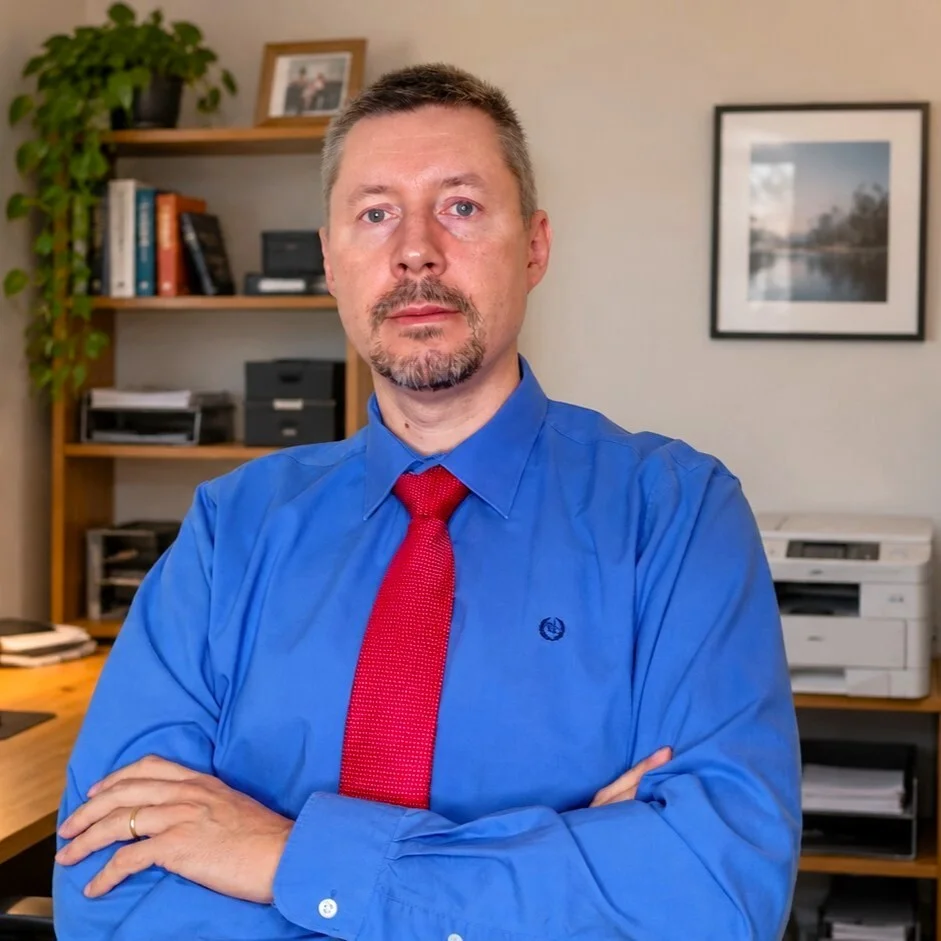
Good people spend too much time babysitting bad processes.
After more than 20 years working across sales, operations, purchasing, e-commerce, management, technology, and legal work, I kept running into different versions of the same problem.
The business was usually working.
The gaps between its people, processes, and systems weren't.
Nikko Systems was created to fix those gaps.
Sometimes the answer is automation. Sometimes it's a cleaner process, better information, or getting two existing systems to talk to each other.
Sometimes the answer is simply:
Leave it alone. It's not worth fixing.
That's a useful answer too.
Nikko Systems wasn't built from the software-demo side of business.
It grew out of actually running things, selling things, buying things, negotiating things, fixing things, and being responsible when things didn't work.
The experience behind us spans more than 27 years.
Running and improving real business operations, including e-commerce, retail, fulfillment, internal workflows, staffing, and day-to-day execution.
Strategic sales, large accounts, long sales cycles, customer acquisition, e-commerce, negotiations, follow-up, and revenue growth.
Executive management, P&L responsibility, growth decisions, priorities, resource allocation, and the uncomfortable question: Is this actually worth the money?
Purchasing, sourcing, vendors, commercial negotiations, terms, supplier relationships, and the consequences that one decision can create farther down the process.
Hands-on work with e-commerce, analytics, business software, computer systems, troubleshooting, integrations, automation, and the practical side of making technology behave.
Years of legal and executive experience involving contracts, responsibility, commercial risk, multi-level approvals, negotiations, confidentiality, and figuring out what happens when reality doesn't follow the happy path.
Because fixing a workflow usually means understanding more than the software.
We don’t start with: “Where can we use AI?” We start with: “What’s actually going wrong?”
“What’s your problem?”
If your current software is doing its job, it stays. Changing systems is a cost, not an achievement.
Relationships, judgment, unusual situations, and consequential decisions still need people. Automation should remove busywork, not common sense.
Find the useful part. Prove it. Then decide whether it deserves to become bigger.
Time saved. Errors reduced. Faster response. Better conversion. Faster payment. Whatever matters for that particular problem. If we can’t define what “better” means, we aren’t ready to build.
Every problem does not deserve a project.
GO — Worth fixing now. WAIT — Potentially useful, but not yet.
NO-GO — Leave it alone. No-go is not a failed sales call. It can be a very good business decision.
No 80-slide presentation to explain why somebody keeps copying the same number between two systems.
We don’t arrive already knowing what you need to buy.
AI is useful. So are normal software, simple rules, integrations, checklists, and people. Use the thing that fits the job.
A system doesn’t get thrown away because a newer one exists. There needs to be a reason.
A recommendation that nobody can actually use isn’t very useful. When we build something, it has to survive contact with the real business.
For 27 years, Peter has been helping companies of all sizes to build, improve, and properly execute their workflows and processes.
First, as a corporate lawyer. Then as a business manager who was happy to work closely with almost all business functions: sales, marketing, e-commerce, sourcing, logistics, and administration.
And finally, as a business owner helping other businesses to be better, more productive, more efficient, and more profitable.
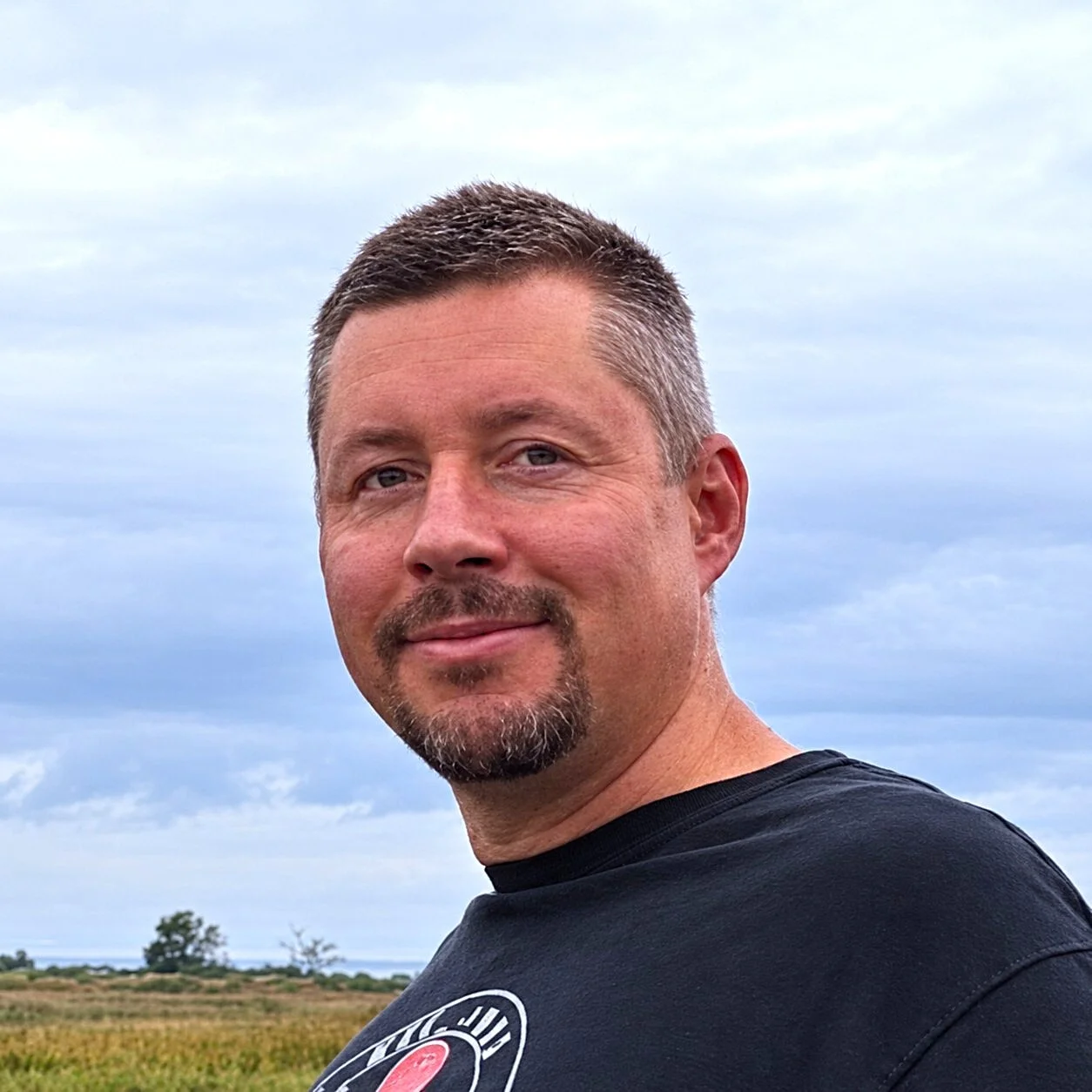
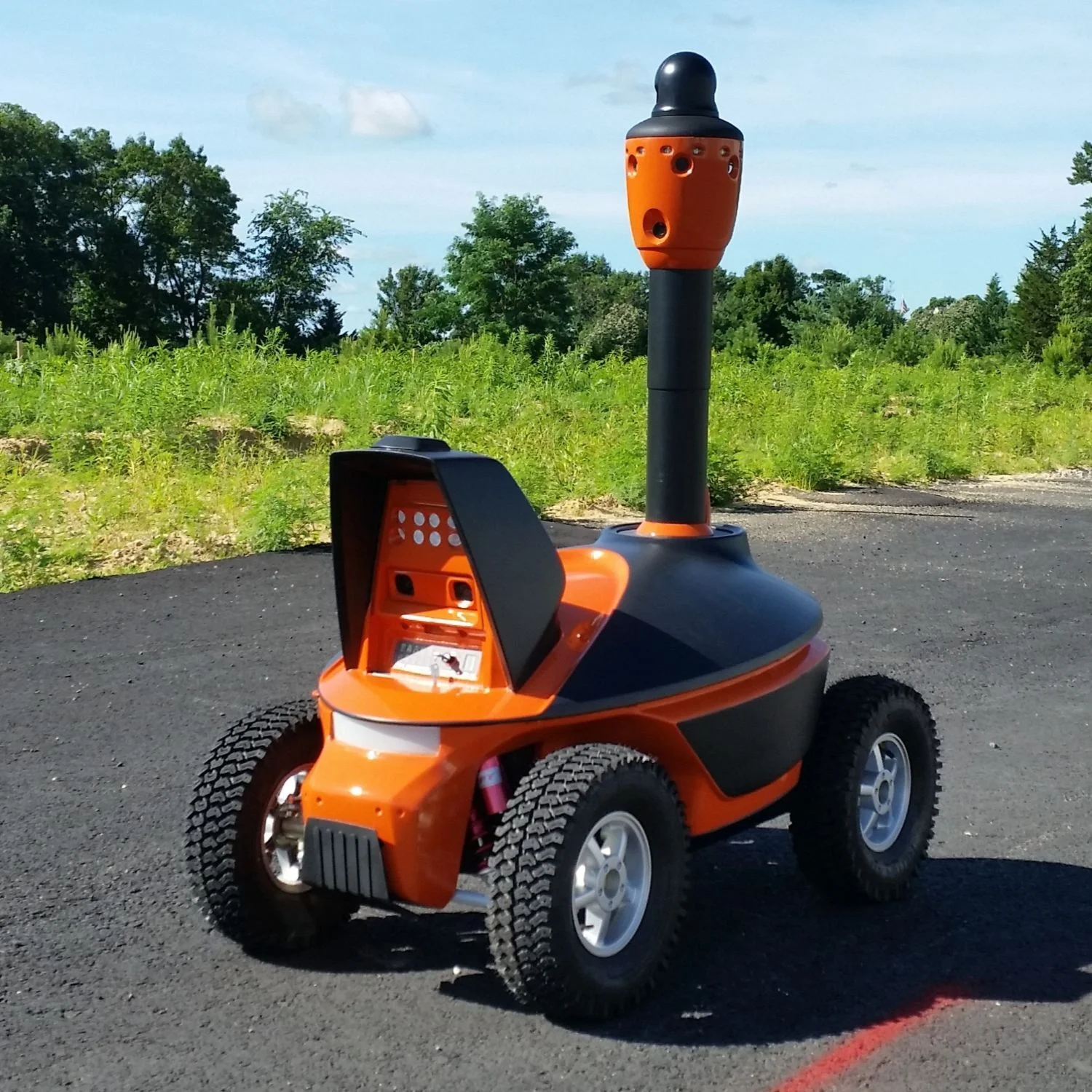
Peter was the first person in the world to investigate the escape of a robot from a research lab.
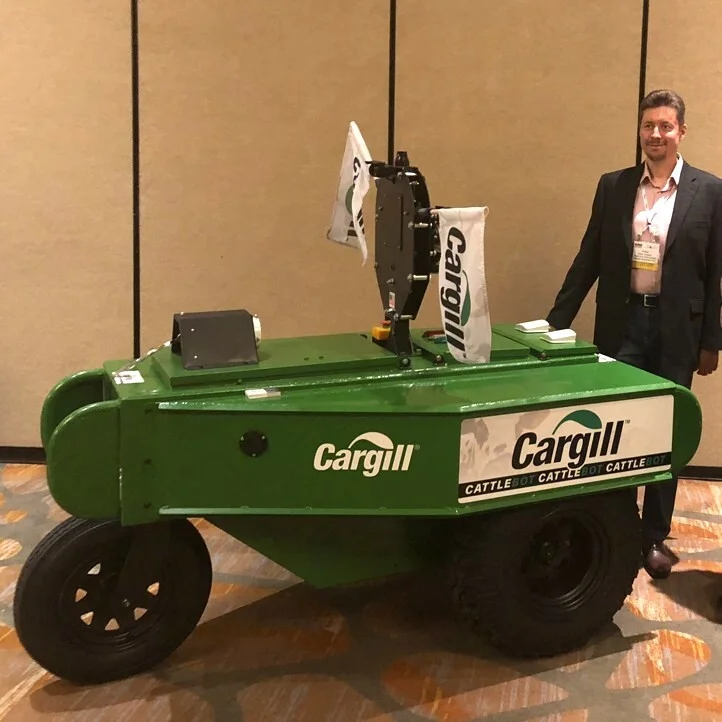
He helped develop the world’s first cow-herding robot and actually herded cows with it – that even was on TV.

He once travelled more than 42 hours one way to a remote private island in Indian Ocean just to take a couple of pictures of birds which ultimately helped solve an important problem for a client.

He once wrote a complete economic development strategy for an island kingdom in the Pacific.

In his free time, Peter writes fantasy books and spy novels, and 9 of them have been published.

Peter is a lifelong motorcycle and car enthusiast with decades of hands-on mechanical experience and dozens of bikes, cars, and boats restored and rebuilt. He also runs a YouTube channel about European cars of the 1980s and 1990s.

Maybe it's slow.
Maybe people keep fixing it manually.
Maybe customers keep falling through a crack.
Maybe nobody knows why the company still does it that way.
Good. We like problems.